
1,613 words
“What do you fear?” they asked.
“The endless ocean,” I said.
I was in Amed to become a certified Scuba diver, but before I could conquer the deep, I had to learn to simply float on the sea surface. Although I had spent the past year training in pools to get comfortable in the water, the open sea was an entirely different challenge. With just 24 hours until my first official dive session, getting comfortable with the sea was long overdue.
A Slow Morning: Finding My Way
Mornings in East Bali carried a quiet, deliberate pace. With my rental scooter fueled and a solid night’s sleep behind me, I set out into my second day. The morning sun warmed my shoulders as I buzzed southeast along narrow coastal tarmac, passing the very dive shop where my lessons would start the next morning. When the entrance to Lipah Beach eluded me, I tried asking for directions from a girl opening a coffee shop for the day. Fumbling through a language barrier and a deeply confused look, she managed to point me down a dirt track overgrown with weeds. Slightly unsure, I parked just off the main road and started walking.
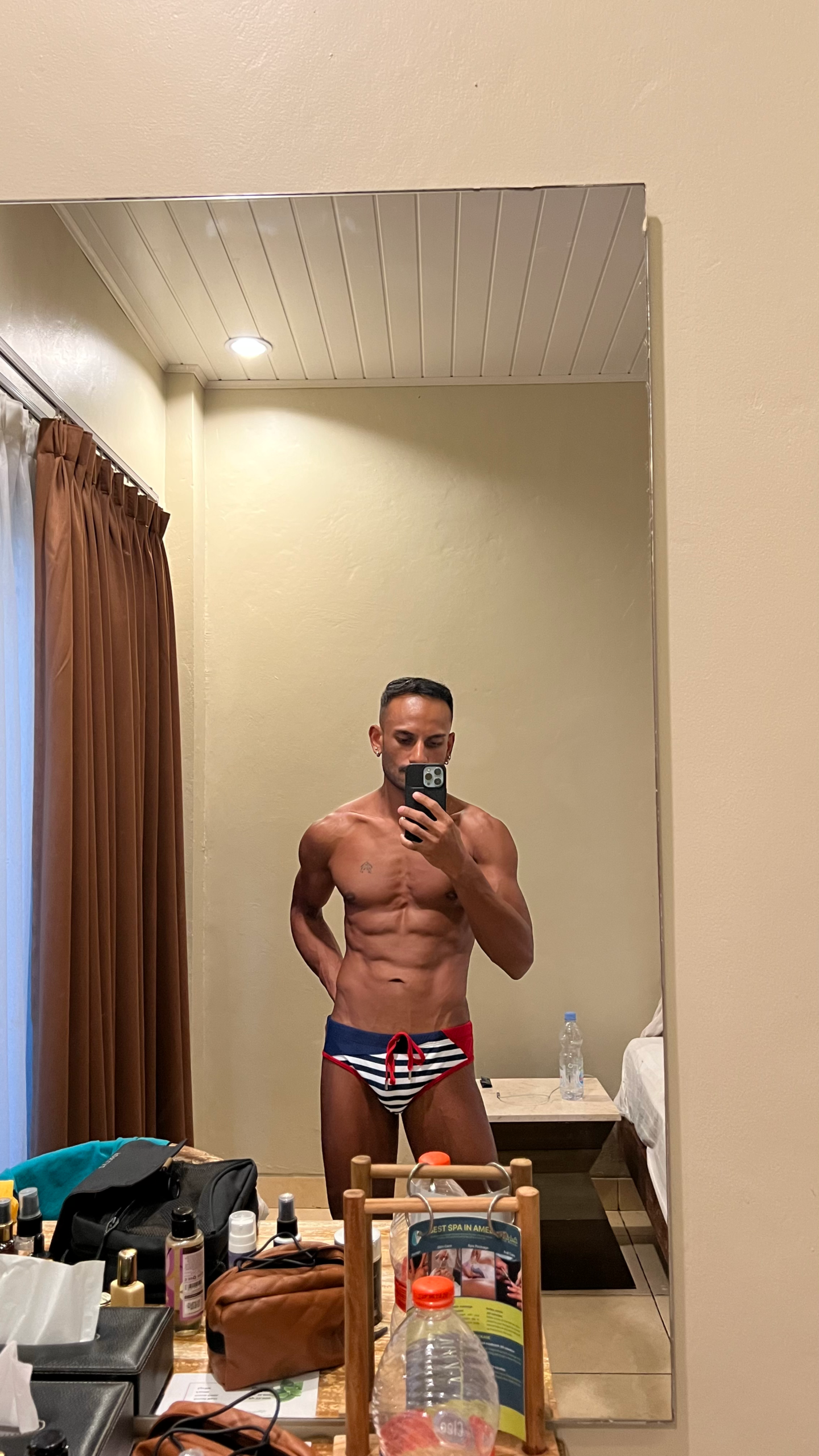
The murmur of the waves and the sea breeze welcomed me as I stepped off onto the beach – albeit from a very unofficial entrance. Need I remind you that Amed is known for its black volcanic beaches, which meant that there was no soft sand to lie on, but rather hard black pebbles weathered by the waves. Not wanting to pay for a sunbed, I found myself a somewhat quiet spot to spread my towel and put down my daypack, and set my sights on the task at hand: snorkelling.
My lifelong relationship with the sea had been defined by caution: wading right at the shoreline, always keeping my eyes locked on my feet planted in the sand. Going deeper was uncharted territory. Most Indians would understand this quite well, as we are taught to fear the water from a young age, with natural spaces to swim having all but vanished in the concrete jungles. Unlike our ancestors—for whom swimming in village rivers and lakes was a communal daily ritual—most of us never learned to treat water as a playground. In contrast, my friends from western countries grew up diving into lakes and rivers as second nature, a cultural contrast that would spark fascinating conversations later in my journey.
Lipah Beach: The First Lesson
Walking over to a shack along the stones, I rented gear and hired a local guide to walk me through the basics. The price for a guided swim was shockingly high, but I supposed it was worth it in the long run. We started in the shallows, standing on the rock shelf and practising breathing through a snorkel mask. Breath control had always been my nemesis in the pool; keeping my mouth open while actively suppressing the reflex to inhale through my nose felt completely unnatural.
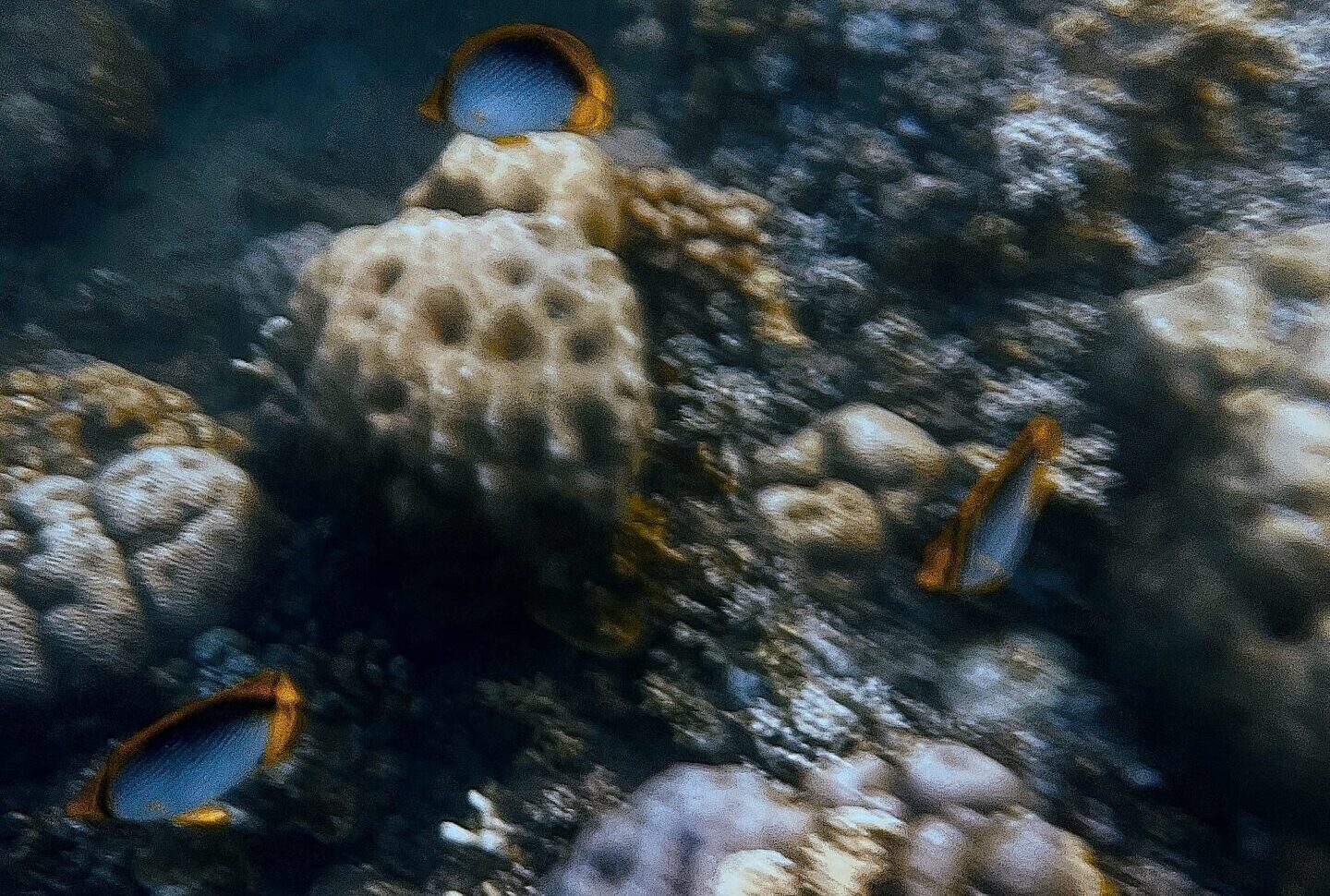
After swallowing enough salt water to turn into a dehydrated raisin, my guide decided that I was ready. Strapped into a life jacket with fins awkwardly flapping, I kicked forward until the seabed dropped away beneath me. Grace had deserted me, but fear didn’t take its place. The saltwater provided effortless buoyancy, and within minutes I was floating flat, breathing in a steady rhythm, and feeling a quiet swell of pride. The black volcanic seabed gave the water a moody, slate-grey tone that made the living corals look almost fluorescent. The morning tide was somewhat murky, but vibrant reef fish soon began darting out from the shadows. As it got deeper, it got darker – and I would occasionally look to where the guide was to reassure myself. The water was calmer out there.
Then, a startling flicker of movement cut through the blue: bright horizontal bands of black and white. A banded sea krait! Putting on a brave face, I kept pace with my guide, watching the sea snake undulate lazily along the sea floor, completely indifferent to us. Moments later, a patch of sand seemed to stir. A sea turtle lifted its head, dusted off its shell, and glided into the current with effortless majesty. Seeing one in the wild for the first time felt almost unreal. By the time we waded back ashore, buzzing with excitement as we told other snorkellers about the sighting, I knew luck had been firmly on my side.
An Afternoon of Respite
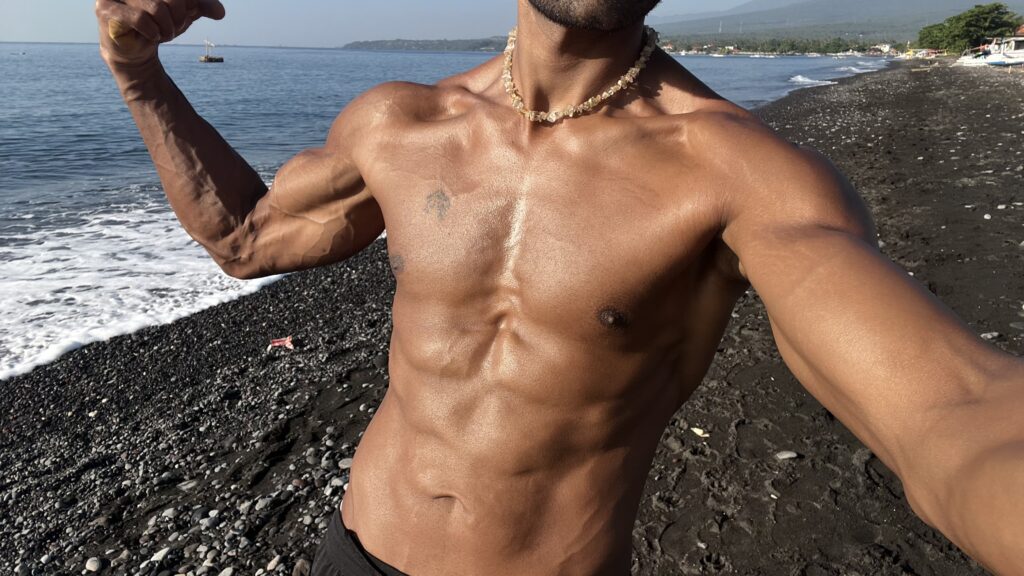
With my guide off for lunch, I practised solo for some time before rinsing myself off with a freshwater hose by the shack, and bidding adieu to Lipah. Famished, I pulled up to Warung Sabar for a hot plate of Capcay with Tofu & Tempe. Sitting there with a rush of endorphins, the aroma of fresh vegetables sizzling in the wok, and the gentle sea breeze playing the wind chimes, a heavy afternoon languor settled in. Below to my right, the sea shimmered under the midday glare; to my left rose the steep emerald slopes of the hills.
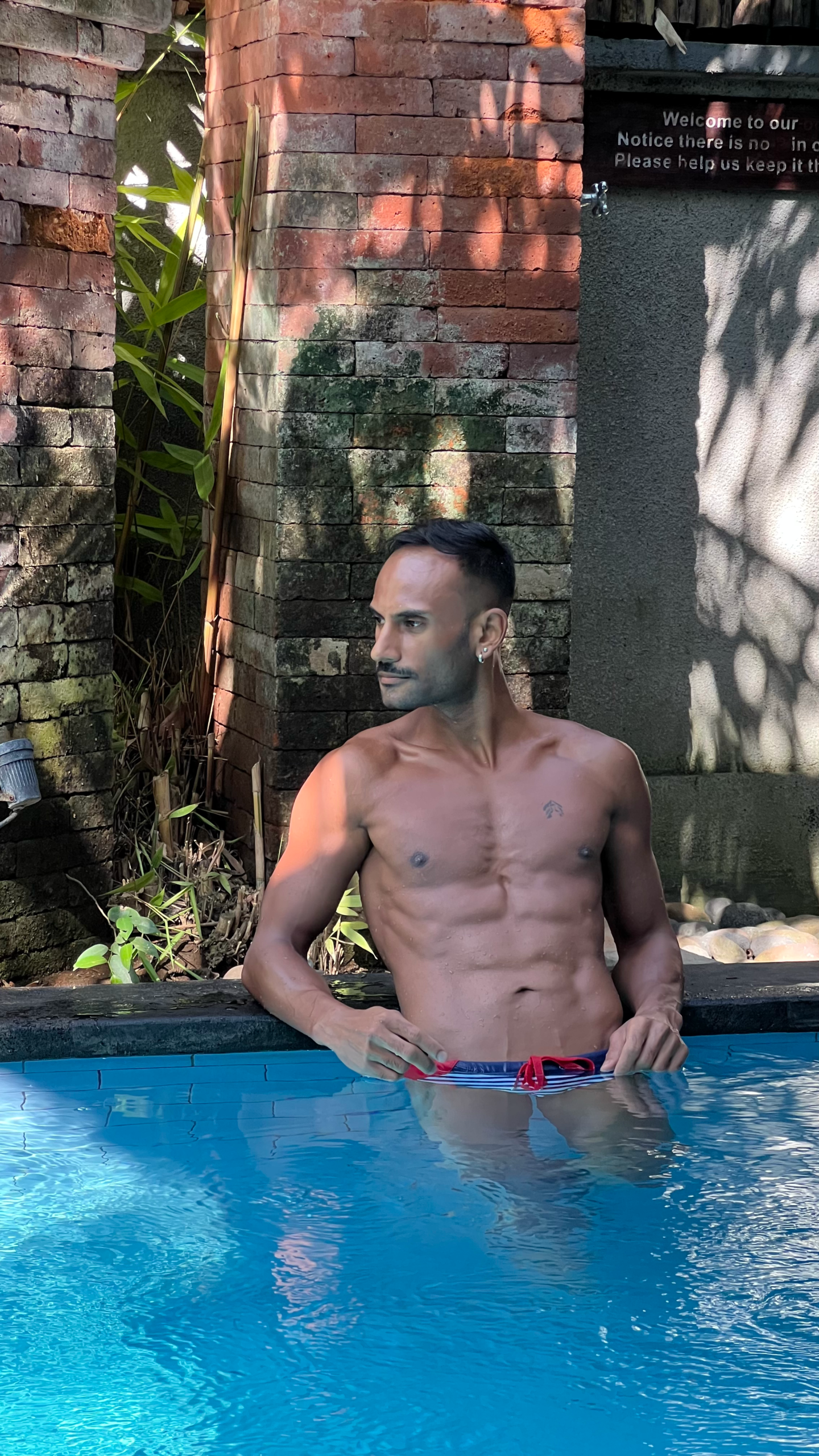
A satisfied stomach and a physically rigorous morning made the perfect combination for a well-deserved afternoon nap, and that is what I did. A short nap later, I realised that I still had scuba theory coursework to complete before tomorrow’s class. I made myself comfortable on a chaise longue beside the villa pool, absorbing as much theory as I could while waiting for the midday heat to break. Feeling rested and shielded from the harsh overhead sun, I hopped back on the scooter – ready to test my skills solo in Jemeluk Bay.
Jemeluk Bay: Solo in the Blue
Jemeluk Bay sat closer than Lipah, sheltered by a high cliff to the south with a silhouette of Gunung Agung dominating the northern horizon. The beach was bustling with travellers swimming, snorkelling, or watching the late-afternoon sun soften into an amber haze. I rented snorkelling gear – mask, fins, and a life jacket – and went to work. Scooters hummed along the cliffside pass, and colourful wooden jukung outriggers swayed gently on their moorings. Yet the second my mask submerged, that coastal buzz evaporated, replaced entirely by the crackling of a living reef.
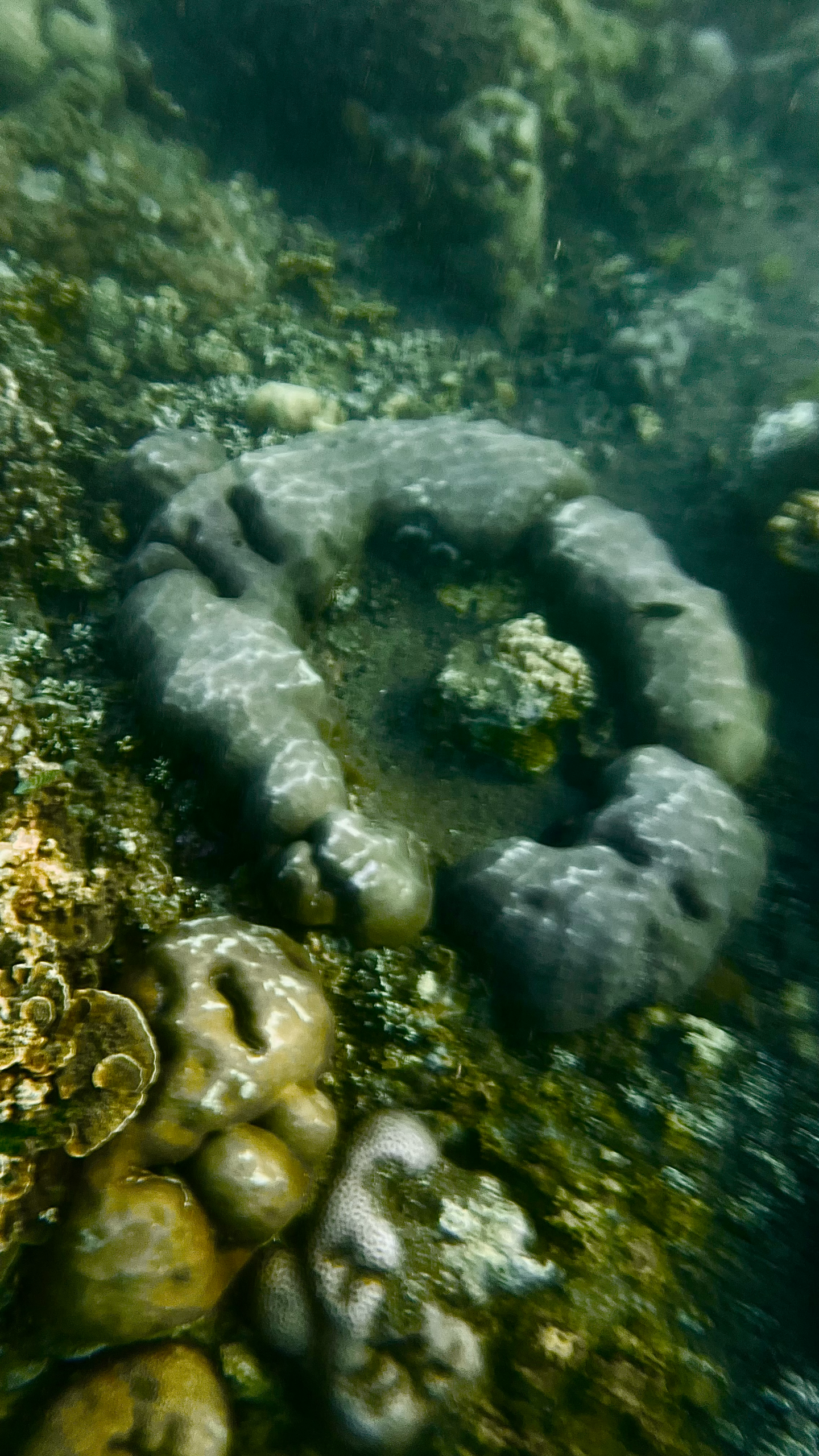
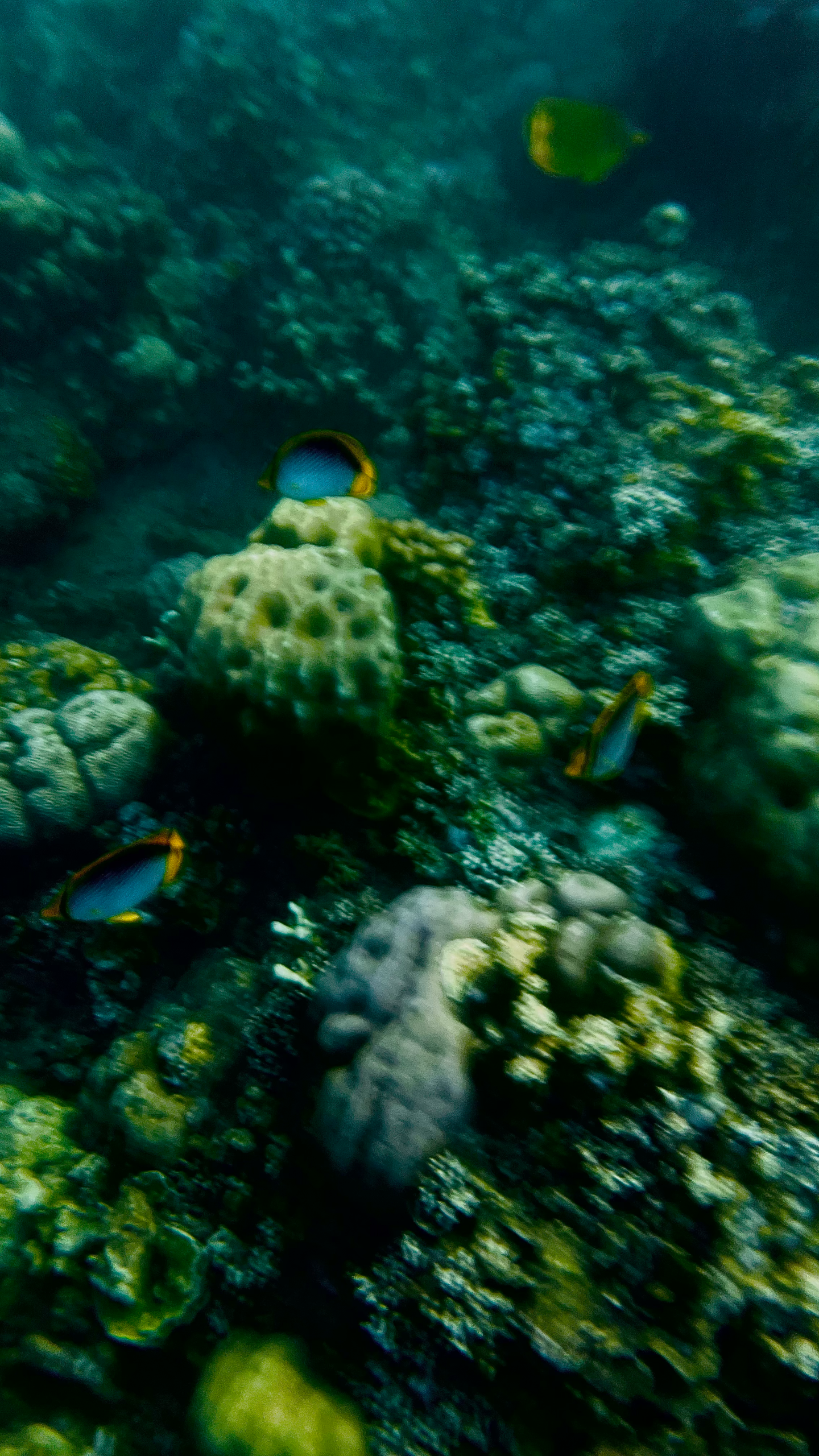
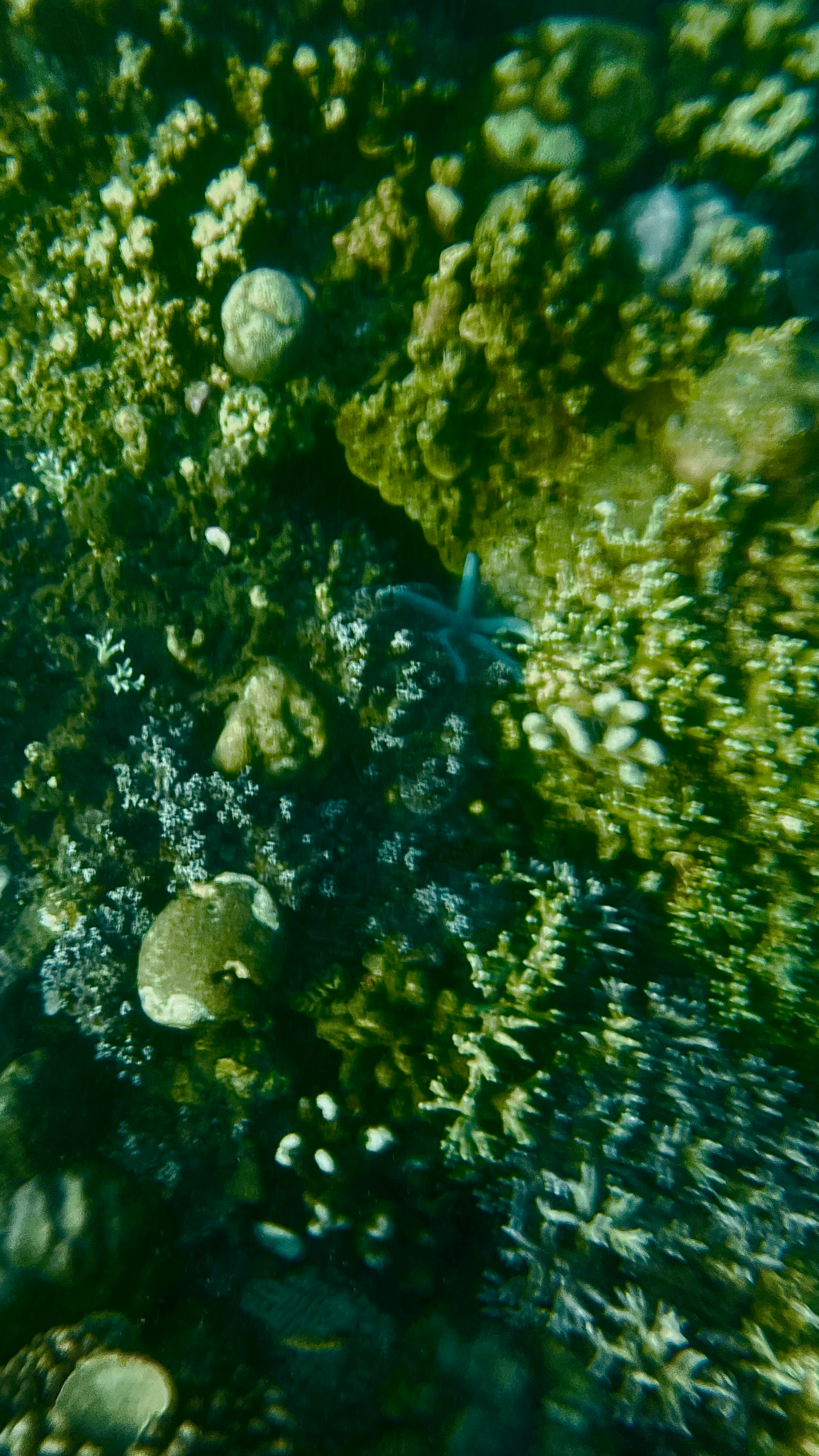
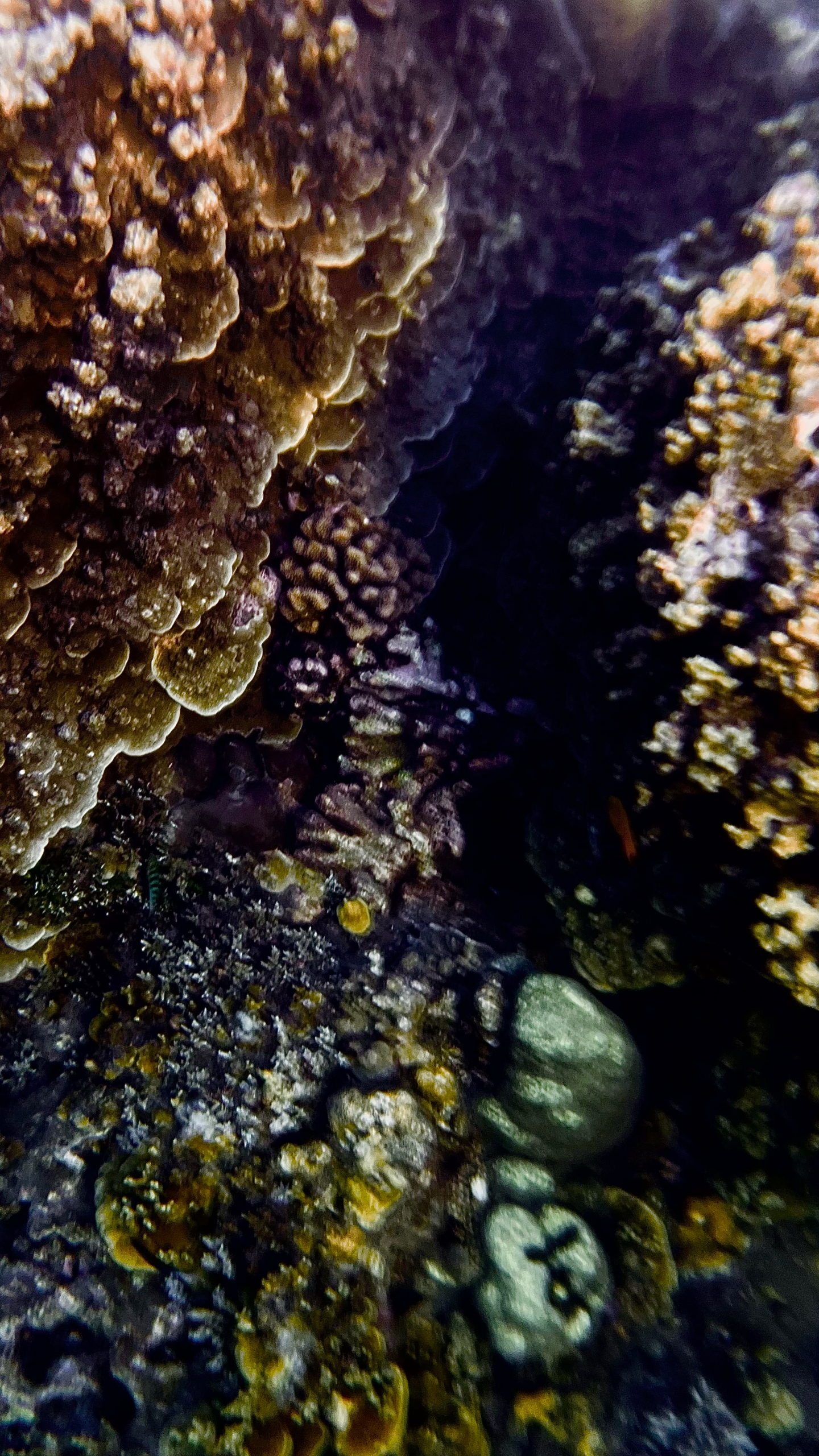
The transition from sandy shallows to the reef wall happened fast, making it easier for a novice to explore. As the lowering sun cast golden beams through the water, the seabed dropped away into deep cobalt, lined with towering formations of massive boulder corals and tiered plate colonies stacked like subterranean terraces. Small, electric-blue damselfish darted around the rounded Porites mounds, their yellow-tipped fins flashing as they weaved between the shadows. Tucked deep into a quiet crevice, a vivid blue Linckia sea star clung motionless to the stone, undisturbed by the gentle evening swell. Further along the shallow flats, ancient Porites colonies had grown outward into doughnut-shaped microatolls, their living rings sculpted by decades of low tides.
The Sun Goes Down, The Chill Sets In
I snorkelled to my heart’s content for well over an hour, completely detached from the passage of time. But as the sun sank lower, so did the temperature of the water. Driven by the urge to squeeze every last second out of the fading light, I hardly noticed the creeping chill numbing my skin and simply kept swimming. By the time I finally conceded and kicked back toward the shore, the full reality of the drop in temperature hit me. The moment I stood up on the black stones, the coastal evening winds smacked me head-on, sending involuntary shivers running down my spine. I hurried to rinse the salt off and bundle up as quickly as possible—the last thing I needed was catching a cold on the eve of my first open-water scuba diving session.
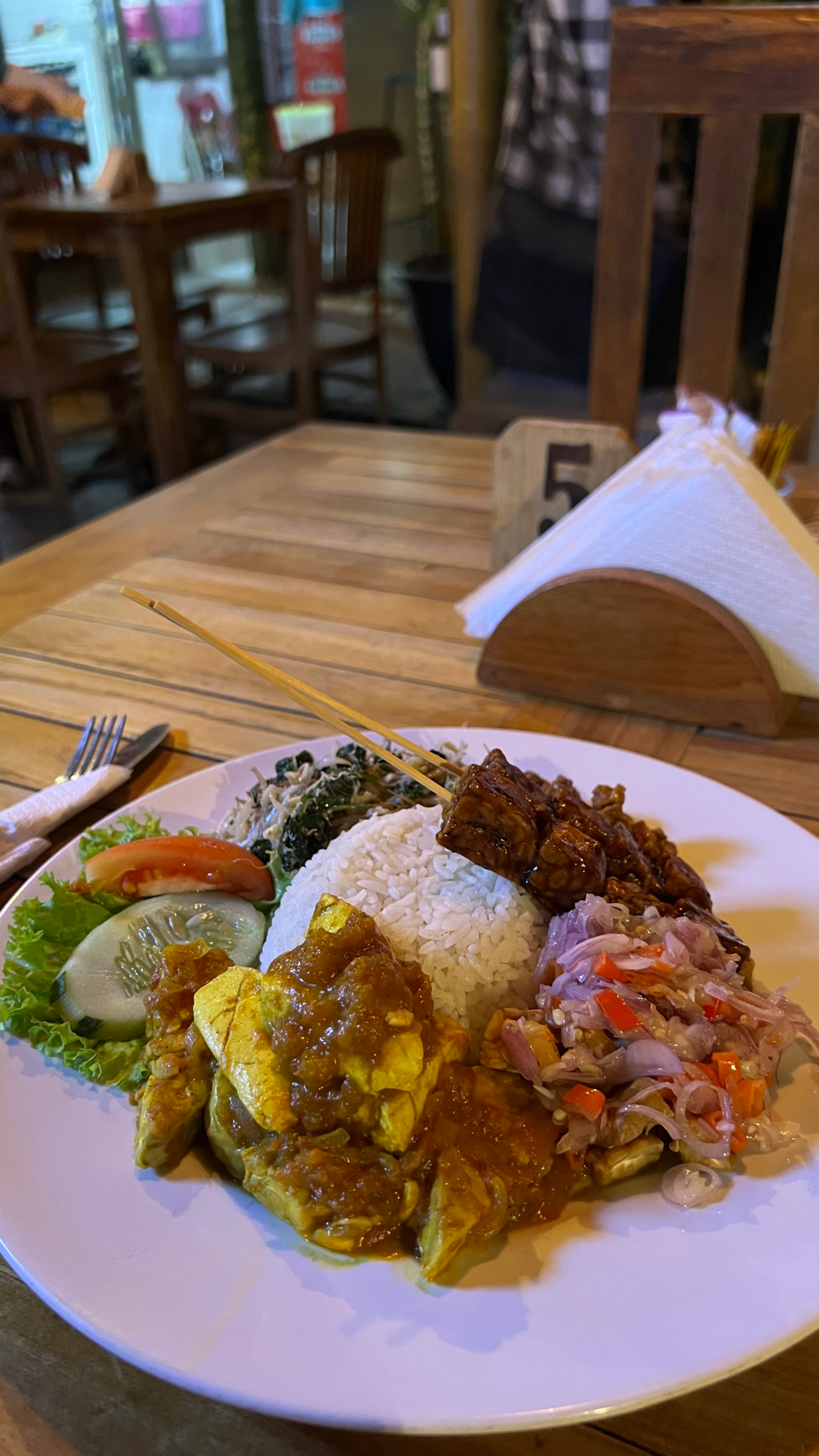
With darkness quickly settling over the winding coastal road, I hopped on my scooter and rode out toward Lipah Beach. The night air was brisk, making my eventual stop at Warung Agung feel like the ultimate reward. Sitting there as the bay plunged into total blackness, I warmed up over a heaping plate of Nasi Campur—Indonesia’s iconic mixed rice platter—paired with a piping hot cup of black coffee. Salt-crusted, bone-tired, and finally warm from the inside out, I sat listening to live music punctuated by the distant crash of the waves. This was just another day in paradise - and tomorrow, the deep ocean was waiting.
Leave a Reply